Oldion: Strategic Typography for Futuristic Brand Positioning
In the crowded landscape of digital and print media, typography is rarely just about legibility. It is a primary vehicle for brand positioning, signaling to your audience whether you are traditional, innovative, disruptive, or reliable. Oldion emerges in this context not merely as a decorative typeface, but as a strategic tool for creators and businesses aiming to project a specific narrative: one rooted in science fiction, modern technology, and forward-thinking innovation. By understanding the psychological impact of its distinctive futuristic accents, decision-makers can leverage Oldion to enhance communication clarity while simultaneously elevating aesthetic intrigue.
The choice of a display font is often the first critical design decision in a campaign. It sets the tonal baseline before a single word of copy is read. Oldion, with its boundless realms of sci-fi inspiration, offers a unique intersection of readability and stylized dynamism. However, like any powerful design asset, its effectiveness depends entirely on intentional application. This article explores how to integrate Oldion into your creative workflow to achieve better results, avoiding common pitfalls while maximizing its potential for branding, packaging, and headline communication.
Defining the Aesthetic Value of Oldion
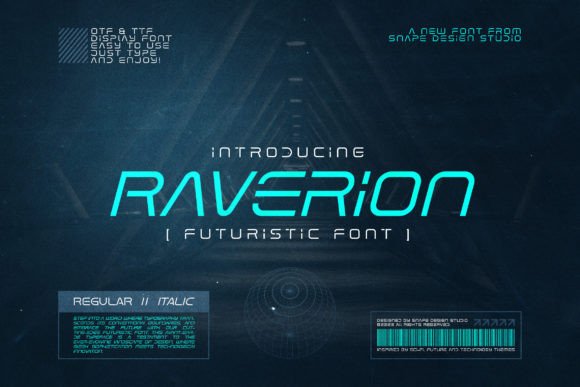
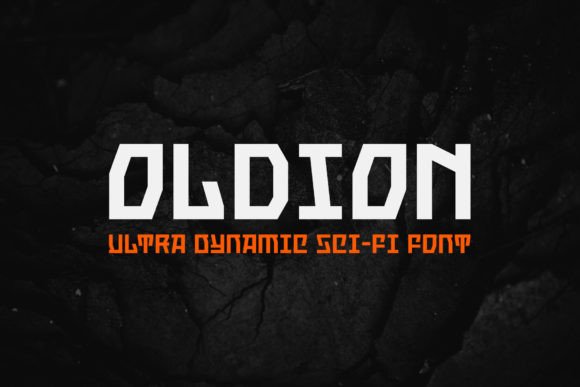
At its core, Oldion is a captivating display font that draws heavy inspiration from the visual language of science fiction and high-tech interfaces. Its character structure is adorned with distinctive accents that suggest motion, precision, and digital sophistication. These are not arbitrary embellishments; they are deliberate design choices that evoke associations with space exploration, cybernetics, and advanced engineering. For brands operating in tech sectors, gaming, entertainment, or innovative consumer goods, these associations are invaluable.
The font is available in two primary styles: Regular and Rounded. This duality provides strategic flexibility. The Regular style tends to convey sharpness, authority, and cutting-edge precision, making it ideal for hard-tech products or serious sci-fi narratives. The Rounded style, conversely, softens the technological edge, introducing a layer of approachability and modern friendliness. This variation allows marketers and designers to tailor the emotional resonance of their message without sacrificing the core futuristic identity. Understanding this distinction is crucial for aligning typography with brand voice.
Strategic Applications in Branding and Marketing
When considering where to deploy Oldion, it is essential to move beyond aesthetic preference and focus on functional goals. The font excels in contexts where immediate attention capture and thematic consistency are paramount. Below are key areas where Oldion delivers significant strategic value.
Commanding Headlines and Movie Posters
In entertainment and media, the title treatment is often the most recognizable element of a campaign. Oldion’s dynamic structure makes it an ideal choice for movie posters, particularly for genres involving space opera, dystopian futures, or technological thrillers. The font’s inherent drama ensures that headlines stand out against complex backgrounds. For marketers, this translates to higher visibility in cluttered environments, such as social media feeds or physical billboards. The goal here is not just to be seen, but to be remembered. Oldion achieves this by creating a visual hook that reinforces the narrative theme instantly.
Product Packaging and Retail Presence
Packaging design is a silent salesman. In competitive retail shelves, particularly for electronics, energy drinks, or gaming peripherals, the typography must communicate product benefits at a glance. Oldion infuses packaging with a sense of innovation and intrigue. When used on a box for a new gadget or a limited-edition tech accessory, it signals to the consumer that the product inside is advanced and contemporary. The Rounded style can be particularly effective for consumer-facing tech products that want to appear user-friendly yet modern, bridging the gap between complex technology and everyday usability.
Distinctive Logotypes and Brand Identity
For startups and rebranding initiatives in the tech sector, a custom logotype based on Oldion can establish a strong visual identity. However, caution is advised. Display fonts are generally not suitable for body text or small-scale applications due to their intricate details. Therefore, using Oldion for a logotype requires careful consideration of scalability. It works best for brands that do not require extensive textual explanation in their logo mark. The distinctive accents can become iconic if simplified correctly, serving as a shorthand for the brand’s futuristic values. This approach supports long-term brand recognition, provided the logo is used consistently across all touchpoints.
Decision-Making Framework: When to Use Oldion
Adopting a new typeface should be a deliberate business decision, not a whimsical creative choice. To ensure Oldion supports your broader goals, consider the following framework before implementation.
- Audience Alignment: Does your target demographic respond positively to futuristic aesthetics? Younger audiences, gamers, and tech enthusiasts typically embrace this style. Traditional industries such as law, finance, or heritage luxury may find it disjointed from their core values.
- Contextual Fit: Is the medium appropriate for a display font? Oldion thrives in large formats. Using it for long-form body copy will reduce readability and frustrate users, negatively impacting customer experience and engagement metrics.
- Brand Consistency: How does Oldion complement your existing visual assets? It should harmonize with your color palette, imagery, and overall design language. If your brand relies on organic, natural imagery, the sharp, tech-driven lines of Oldion may create cognitive dissonance unless intentionally juxtaposed for artistic effect.
- Competitive Differentiation: Analyze your competitors’ typography. If the market is saturated with clean, sans-serif minimalism, Oldion can offer a striking point of differentiation. Conversely, if everyone is using similar sci-fi fonts, you may need to customize its usage to maintain uniqueness.
Risks and Mitigation Strategies
While Oldion offers significant advantages, misuse can lead to detrimental outcomes. The primary risk is over-stylization. When every element of a design screams "futuristic," the message can become noisy and difficult to process. This violates basic principles of effective communication, where clarity should always precede decoration.
To mitigate this, adopt a hierarchy strategy. Use Oldion exclusively for headlines, titles, and key focal points. Pair it with a neutral, highly legible sans-serif font for body text and supporting information. This contrast ensures that the futuristic flair of Oldion enhances the design without overwhelming the user. Additionally, avoid using the font at small sizes where its distinctive accents may blur or become illegible, particularly in digital environments with varying screen resolutions.
Another risk is trend dependency. Science fiction aesthetics evolve rapidly. What looks cutting-edge today may appear dated in five years. To protect long-term brand equity, use Oldion in ways that are adaptable. Consider creating a custom logotype that captures the spirit of Oldion but is simplified enough to endure shifting design trends. This approach balances immediate impact with sustainable brand architecture.
Enhancing Productivity and Creative Workflow
For designers and content creators, having a versatile tool like Oldion can streamline the creative process. Instead of spending hours customizing basic fonts to achieve a tech look, Oldion provides a ready-made solution that aligns with specific project briefs. This efficiency allows teams to focus more on strategic messaging and less on typographic experimentation. Furthermore, the availability of both Regular and Rounded styles reduces the need to source multiple fonts for different tonal variations within the same campaign, ensuring visual coherence while saving time and resources.
Educators and publishers focusing on STEM subjects can also leverage Oldion to make educational materials more engaging. By using it in chapter headers or infographic titles, they can subtly reinforce the theme of innovation and future possibilities, making learning materials more appealing to students interested in technology and science.
Long-Term Value and Brand Equity
The ultimate goal of any design decision is to contribute to long-term brand equity. Oldion, when used strategically, helps build a brand personality that is perceived as innovative, bold, and forward-thinking. These attributes are increasingly valuable in a rapidly changing economic landscape where adaptability and technological proficiency are key indicators of success. By consistently applying Oldion in appropriate contexts, brands can reinforce these associations in the minds of consumers, leading to stronger brand loyalty and higher perceived value.
However, this value is contingent on disciplined usage. Randomly applying the font across unrelated projects dilutes its impact and confuses brand messaging. Successful integration requires a clear style guide that defines exactly when and how Oldion should be used. This documentation ensures that all stakeholders, from internal marketing teams to external agencies, maintain consistency, thereby protecting the integrity of the brand’s visual identity.
In conclusion, Oldion is more than a font; it is a strategic asset for communicating innovation. By understanding its strengths, limitations, and ideal applications, entrepreneurs, marketers, and creators can make informed decisions that enhance their visual communication. Whether you are designing a movie poster, launching a tech product, or rebranding a startup, Oldion offers the tools to captivate your audience and position your brand at the forefront of modernity. The key lies in intentional, thoughtful application that prioritizes clarity, consistency, and strategic alignment with your broader business goals.