Kamorena: Redefining Visual Identity in the Era of Expressive Typography
In the rapidly evolving landscape of digital design, typography has transcended its traditional role as a mere vessel for information. It has become a primary driver of brand personality, emotional resonance, and user engagement. Within this dynamic environment, Kamorena has emerged as a significant typographic voice. This font possesses energetic and abstract characteristics with a contemporary design perspective, offering a captivating visual experience that serves as a valuable tool for designers who want to infuse their projects with a sense of adventure and creative experimentation.
The rise of Kamorena is not an isolated phenomenon but rather a reflection of broader shifts in how audiences consume visual content. As digital spaces become increasingly saturated, the need for distinct, memorable, and emotionally charged design elements has never been greater. This article explores the strategic importance of Kamorena, examining its place within current creative trends, its practical applications, and why it resonates with modern professionals, creators, and entrepreneurs.
The Shift Toward Expressive and Abstract Design
For decades, corporate design was dominated by minimalism and sans-serif neutrality. The goal was clarity above all else. However, the current market demands more than just clarity; it demands connection. Consumers are drawn to brands that exhibit personality, authenticity, and a willingness to break conventions. This is where the psychedelic style of Kamorena finds its footing.
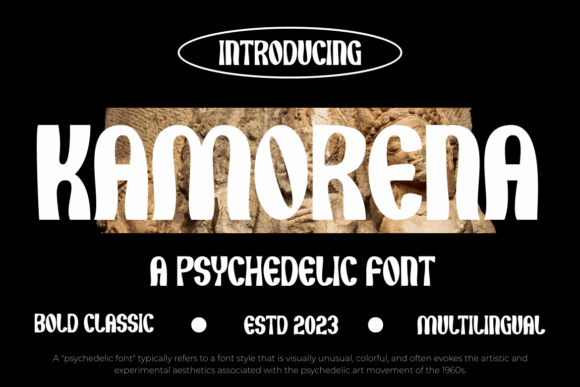
Kamorena is a creative and expressive typeface, often combining artistic elements, colors, and eye-catching designs. It is commonly used in graphic designs, posters, art, and promotional materials that aim to create a striking, experimental, or unique visual appearance. By embracing abstraction, Kamorena allows designers to move beyond rigid grid systems and explore fluid, organic forms that mimic the unpredictability of human creativity.
This shift aligns with the broader "maximalist" trend in digital marketing, where bold colors, intricate patterns, and unconventional layouts are used to capture attention in seconds. For marketers and entrepreneurs, utilizing a font like Kamorena signals a brand’s confidence and its ability to stand out in a crowded marketplace. It is not merely a aesthetic choice; it is a strategic decision to prioritize memorability and emotional impact.
Why Kamorena Resonates with Modern Audiences
The attention Kamorena is receiving stems from its ability to bridge the gap between artistic expression and commercial viability. In an era where users are desensitized to standard advertising visuals, Kamorena offers a fresh visual language. Its energetic characteristics evoke a sense of movement and vitality, which is particularly effective in industries such as entertainment, fashion, technology, and lifestyle.
Furthermore, the font’s abstract nature invites interpretation. Unlike rigid, geometric fonts that dictate a single reading experience, Kamorena encourages viewers to engage with the text on a sensory level. This interactive quality is crucial for creating immersive brand experiences. When a consumer encounters Kamorena in a promotional campaign, they are not just reading a message; they are experiencing a mood. This deeper level of engagement is what drives conversion and brand loyalty in today’s experience-driven economy.
Practical Applications in Professional Workflows
Integrating Kamorena into professional workflows requires a nuanced understanding of context and balance. While its expressive nature is a strength, it must be applied strategically to maintain readability and brand coherence. Here are several practical scenarios where Kamorena excels:
- Event Promotion and Poster Design: The font’s striking appearance makes it ideal for headlines in event posters, festival branding, and concert promotions. Its ability to convey energy and excitement helps generate anticipation and interest.
- Digital Campaigns and Social Media: In short-form video content and social media graphics, Kamorena can serve as a powerful hook. Its unique shapes stop the scroll, encouraging users to pause and engage with the content.
- Packaging and Product Labels: For consumer goods, particularly in the craft food, beverage, and beauty sectors, Kamorena adds a layer of artisanal quality and uniqueness. It distinguishes products on shelves by conveying a sense of handmade care and creative flair.
- Brand Identity Systems: When used sparingly as a display font alongside a more neutral body typeface, Kamorena can define a brand’s visual identity. It acts as a signature element, reinforcing brand recognition across various touchpoints.
Designers must remember that Kamorena is best utilized for emphasis rather than long-form text. Its complex forms can reduce legibility at smaller sizes or in dense paragraphs. Therefore, pairing it with clean, highly readable sans-serif or serif fonts creates a harmonious contrast that leverages the strengths of both styles.
Navigating the Technical and Creative Challenges
Adopting a distinctive typeface like Kamorena also involves navigating technical considerations. Web performance, cross-browser compatibility, and responsive design are critical factors. Because Kamorena features intricate details, ensuring that these details remain visible and impactful across different screen sizes and resolutions is essential.
Professionals should optimize font loading strategies to prevent layout shifts and ensure a smooth user experience. Additionally, when using Kamorena in digital interfaces, careful attention must be paid to spacing and kerning. The abstract nature of the glyphs may require manual adjustment to achieve optimal visual balance, particularly in headline compositions where letter interactions are prominent.
From a creative standpoint, the challenge lies in avoiding overuse. The novelty of Kamorena can diminish if it is applied indiscriminately. Successful implementation involves restraint and intentionality. Designers should ask themselves whether the expressive quality of the font serves the communication goal or merely distracts from it. This disciplined approach ensures that Kamorena enhances rather than overwhelms the design narrative.
Kamorena and the Future of Creative Experimentation
The popularity of Kamorena reflects a larger trend toward democratized creativity. With advanced design tools and accessible typography resources, freelancers and small businesses can now produce high-quality, professional-grade visuals that were once the domain of large agencies. Kamorena empowers these creators to experiment with bold visual statements without requiring extensive custom illustration skills.
Moreover, the font’s psychedelic influences connect it to a resurgence of retro-futurism and neo-psychedelia in contemporary culture. This aesthetic revival is not just nostalgic; it is a response to the sterile uniformity of early 2010s flat design. By incorporating elements of chaos, color, and abstraction, Kamorena participates in a cultural conversation that values individuality and sensory richness.
For entrepreneurs and business leaders, understanding this shift is crucial. It suggests that future branding efforts will increasingly rely on dynamic, adaptable visual systems rather than static logos. Fonts like Kamorena offer the flexibility to evolve with cultural trends while maintaining a core identity. They allow brands to remain relevant and engaging in a fast-paced digital ecosystem.
Strategic Recommendations for Adopters
To fully leverage the potential of Kamorena, professionals should consider the following strategic approaches:
- Contextual Alignment: Ensure that the energetic and abstract qualities of Kamorena align with the brand’s values and target audience. It is most effective for brands that wish to project innovation, creativity, and boldness.
- Hierarchical Balance: Use Kamorena primarily for headings, titles, and key messages. Pair it with neutral, highly legible typefaces for body copy to maintain readability and visual hierarchy.
- Color and Composition Integration: Leverage the font’s compatibility with vibrant colors and experimental layouts. Allow the typography to interact with other design elements, such as images and graphics, to create a cohesive and immersive visual experience.
- Iterative Testing: Test the font’s performance across various mediums and devices. Gather feedback on readability and emotional impact to refine its application in different contexts.
By approaching Kamorena with a strategic mindset, designers and marketers can transform it from a simple stylistic choice into a powerful tool for communication and brand differentiation.
Conclusion: Embracing the Energy of Modern Typography
Kamorena represents more than just a new font; it embodies a shift in how we perceive and utilize typography in the digital age. Its energetic and abstract characteristics offer a refreshing alternative to conventional design norms, providing designers with the means to inject adventure and creativity into their projects. As the demand for authentic, engaging, and visually striking content continues to grow, Kamorena stands out as a valuable asset for those willing to experiment and push boundaries.
For professionals, creators, and entrepreneurs, embracing Kamorena means embracing the possibilities of expressive design. It invites a reevaluation of traditional workflows and encourages a more holistic approach to visual communication. By integrating this font thoughtfully and strategically, businesses and individuals can create lasting impressions, foster deeper connections with their audiences, and navigate the evolving landscape of modern design with confidence and flair.
In a world where attention is the most scarce resource, Kamorena offers a way to capture it—not through noise, but through meaningful, energetic, and captivating visual storytelling. As we look to the future of design, fonts like Kamorena will continue to play a pivotal role in shaping the visual language of our time, inspiring a new generation of creators to explore, experiment, and express.